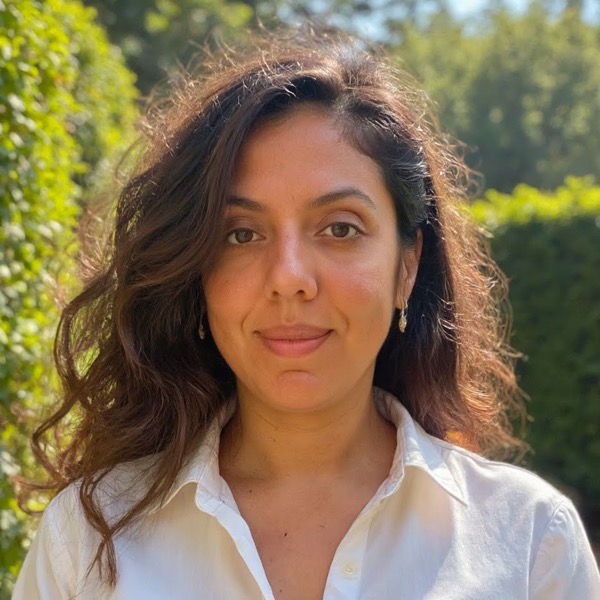
Welcome to my personal page
I am a researcher in marine biodiversity and ecology. I study animal diversity in Mexico’s marine and coastal environments, mainly fishes, cetaceans and invertebrates, through molecular systematics, population and community ecology, and evolutionary biology and biogeography. My work has focused on the Gulf of California, the Mexican Caribbean and the North Pacific.
I combine field and laboratory work in marine environments (oceanographic expeditions, scientific diving, visual surveys and specimen collection) with contemporary tools to identify and monitor organisms: DNA barcoding, environmental DNA (metabarcoding, qPCR and ddPCR) and population genomics. Since 2017 I have applied these methods to describe fish and marine mammal communities and to monitor priority species for conservation, such as the vaquita and the totoaba.
I integrate these data with quantitative analyses and statistical, environmental and oceanographic modeling to understand how organisms and communities respond to environmental variability, global change and human impacts. A central theme of my work is connectivity: how marine populations are linked through dispersal across complex seascapes. I am also committed to teaching and to training undergraduate and graduate students in the field, the lab and data analysis.
Research lines
- Biodiversity and molecular systematics. Species identification with DNA barcoding, reference libraries for the fish fauna of the Gulf of California, and detection of cryptic species that traditional surveys tend to miss, such as cryptobenthic fishes. (Projects)
- Population and community ecology, and ecosystem monitoring. Structure of fish, marine mammal and invertebrate communities using environmental DNA, visual censuses and collections; sampling design and monitoring of priority species such as the vaquita and the totoaba. (Vaquita, Totoaba)
- Evolutionary biology and biogeography. Phylogeography, landscape genomics and connectivity on the Baja California Peninsula and in the Gulf of California, from desert reptiles to reef fishes. (Landscape genomics, From genome to assemblage)
- Biodiversity responses to global change and human impacts. Resilience of coral communities and their symbionts, the sargassum microbiome, and the effect of human pressures on protected areas such as Cabo Pulmo. (Corals, Sargassum)
Background
I hold a PhD in Marine Ecology from CICESE, an MSc in the Use, Management and Preservation of Natural Resources from CIBNOR, and a BSc in Biology from UNAM. I have worked at the National Laboratory of Genomics for Biodiversity (LANGEBIO, CINVESTAV-IPN), the Whale and Dolphin Ecology Lab at the University of Washington (UW), where I did my first postdoc with Dr. Amy Van Cise, and NOAA’s Northwest Fisheries Science Center (NWFSC).
Since 2024 I have been a postdoctoral researcher at CIBNOR, where I develop species-specific markers to detect two flagship species for conservation: the vaquita (Phocoena sinus) and the totoaba (Totoaba macdonaldi). I am currently principal investigator of the Vaquita eDNA: A Validated eDNA Workflow for Vaquita Monitoring project, funded by Dolphin Quest. Throughout my career I have led and participated in national and international projects developing environmental DNA tools and statistical models to predict species distributions and their response to environmental change.
I am convinced that interdisciplinary research is essential to address global challenges related to climate change, biodiversity loss and the sustainable management of natural resources.
On this site you will find information about my experience, projects, publications, students and some moments from field and lab work. If you share similar interests or have ideas for joint projects, please get in touch. Thank you for visiting!