Students
Training the next generation in environmental DNA, metabarcoding, molecular ecology and bioinformatics.
PhD
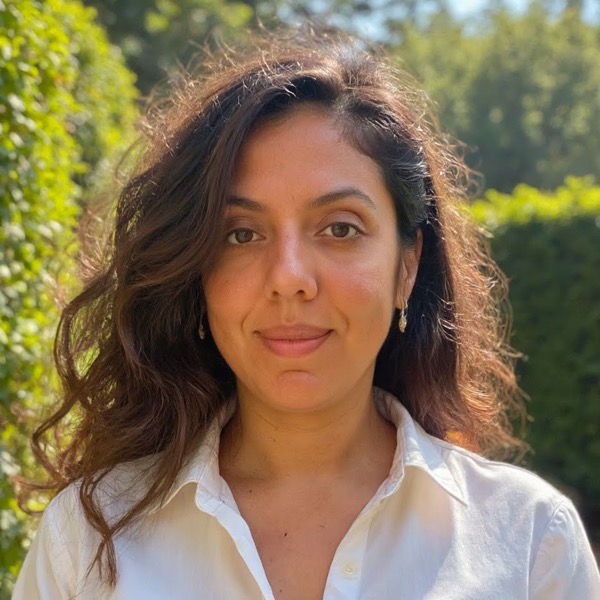
Violeta Cassandra Vera Cuevas
PhD in Science (Ecology), CIBNOR · Thesis committee member
Using environmental DNA to monitor biodiversity and its relationship with human impact in Cabo Pulmo National Park
Uses eDNA metabarcoding to monitor biodiversity on the Cabo Pulmo reef and to tell apart changes driven by local human pressures, extreme climate events or natural variation.
MSc
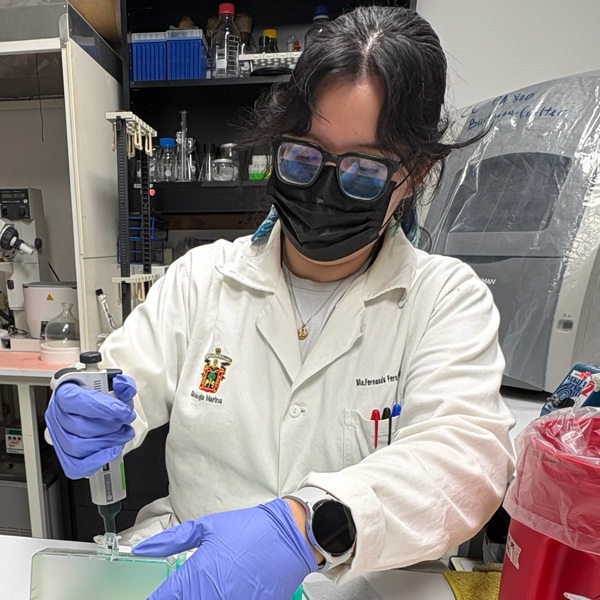
María Fernanda Fernández González
MSc in Science (Marine Biology), CIBNOR · Co-advisor, with Dr. Fausto Valenzuela Quiñonez
Variation of the epibiont microbiome of holopelagic Sargassum in the Mexican Caribbean
Studies the microbial communities living on sargassum along a latitudinal gradient, using 16S metabarcoding to separate the effects of the host and the ocean environment.
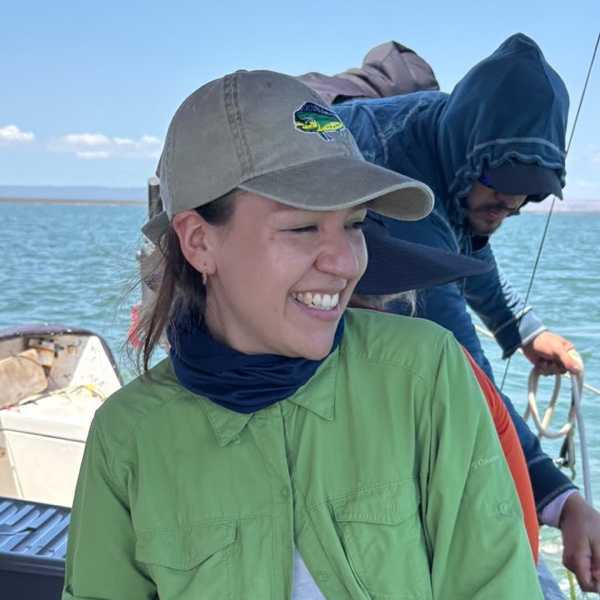
Estefanía Rodríguez Jacinto
MSc, CICIMAR-IPN · Co-advisor, with Dr. Francisco Javier García Rodríguez
Spatial and temporal composition of the fish fauna of the Ensenada de La Paz based on environmental DNA
Characterizes the fishes of the Ensenada de La Paz, a mangrove-fringed coastal lagoon and nursery area, using 12S metabarcoding along its environmental gradient.
Ninel Rivera Baxin
MSc, CIBNOR · Co-advisor
Thesis within the MAR-Gen Caribe project (metabarcoding on Mexican Caribbean reefs)
Sofía Fonseca Yépez
MSc in Science (Marine Biology), CIBNOR · Thesis committee member
Metagenomic analysis of microeukaryotes in the oxygen minimum zone of the Eastern Tropical North Pacific
Explores microeukaryote diversity in one of the largest oxygen minimum zones of the ocean and its relationship with environmental variables.
Undergraduate
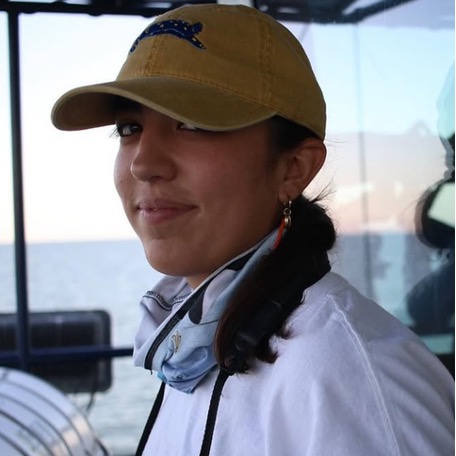
Rosa Icela Burciaga de la Rocha
Undergraduate, UABCS — social service and research stay (2026) · Advisor
Temporal and spatial patterns of vaquita (Phocoena sinus) acoustic activity in the Zero Tolerance Area, 2022–2026
Uses published data from the vaquita acoustic monitoring reports (2022–2026) to analyze how vaquita acoustic activity varies with time of day, tide and space within the Zero Tolerance Area. The results will help guide environmental DNA sampling design.
Research visitors
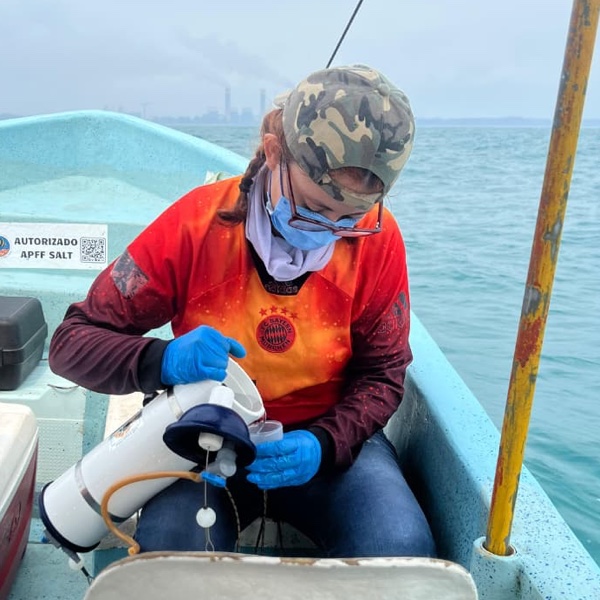
Gloria Cárdenas Pérez
Universidad Veracruzana, research stay at CIBNOR (September–November 2026) · Host advisor
Detecting the bottlenose dolphin (Tursiops truncatus) with eDNA and qPCR in the Gulf of Mexico
Designed and validated a species-specific qPCR assay (cytochrome b) to detect bottlenose dolphins in water samples from the Gulf of Mexico: in silico validation, standardization, standard curve, and limits of detection and quantification.
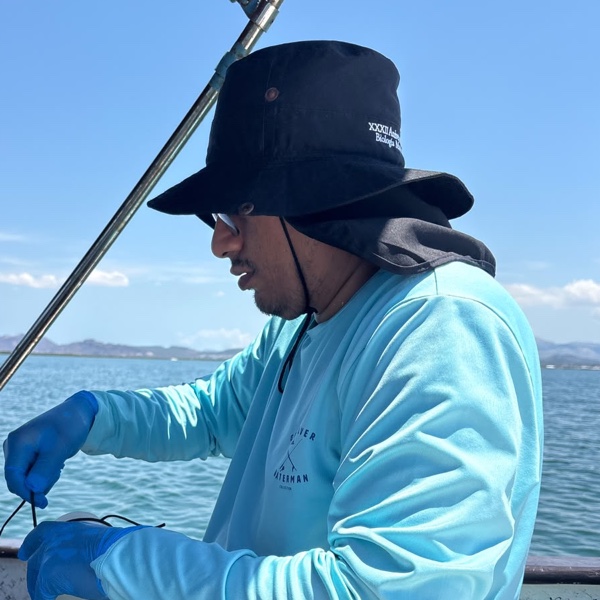
Leonel Benito Santiago Sánchez
MSc, Universidad del Mar (2026) · Host advisor
Fish eDNA metabarcoding with the MiFish marker (12S rRNA)
Trained in the full lab workflow for fish metabarcoding: eDNA extraction, amplification, and library preparation and quality control.

Martín Fernando Encinas Yánez
CICIMAR-IPN · Host advisor
Bacterial microbiome of the dinoflagellate Gymnodinium catenatum
Characterizes the bacteria associated with this harmful-algal-bloom-forming dinoflagellate at different growth phases in culture.
Alumni
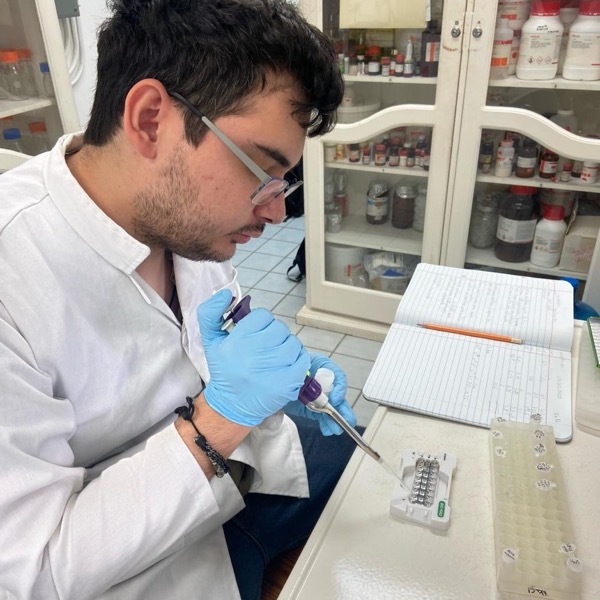
Ángel Isidro Campa Molina
MSc, CIBNOR (2026) · Co-advisor, with Dr. Fausto Valenzuela Quiñonez
Development and validation of a molecular tool for detecting Totoaba macdonaldi (in Spanish)
Developed and validated an eDNA assay to detect the totoaba, an endemic species of the Gulf of California.
Interested in working with me? Write to tvaldivia@cibnor.mx.